
Becoming a mother is often described as one of life’s happiest moments. Yet for many women, the weeks and months after childbirth can be emotionally overwhelming. While temporary mood changes commonly known as the “baby blues” are normal, persistent sadness, anxiety, and emotional distress may signal Postpartum Depression (PPD), a serious but highly treatable mental health condition.
What Is Postpartum Depression?
Postpartum Depression is more than feeling tired or emotional after giving birth. It is a medical condition that can develop within the first few weeks or months after delivery and significantly affect a mother’s emotional well-being, daily functioning, and ability to care for herself and her baby.
Without timely recognition and support, PPD can negatively impact the health and development of both mother and child.
The Reality of Postpartum Depression in Tanzania
In Tanzania, Postpartum Depression remains largely underrecognized and underdiagnosed. Many mothers experience emotional distress in silence due to several barriers, including:
- Limited awareness of maternal mental health.
- Cultural expectations that mothers should always appear strong.
- Stigma surrounding mental illness.
- Limited routine mental health screening in maternal and child health services.
As a result, many women do not seek help until symptoms become severe. Maternal mental health deserves the same attention as physical health throughout pregnancy and after childbirth.
Recognizing the Warning Signs
Postpartum Depression affects every woman differently, but common symptoms include:
- Persistent sadness, hopelessness, or emptiness.
- Frequent crying or irritability.
- Difficulty bonding with the baby.
- Loss of interest in previously enjoyable activities.
- Extreme fatigue, sleep disturbances, or appetite changes.
- Feelings of guilt, worthlessness, or inadequacy.
- Thoughts of self-harm or harming the baby (this requires immediate medical attention).
Early recognition and professional support can make a significant difference in recovery.
Practical Ways Mothers Can Support Their Mental Well-Being
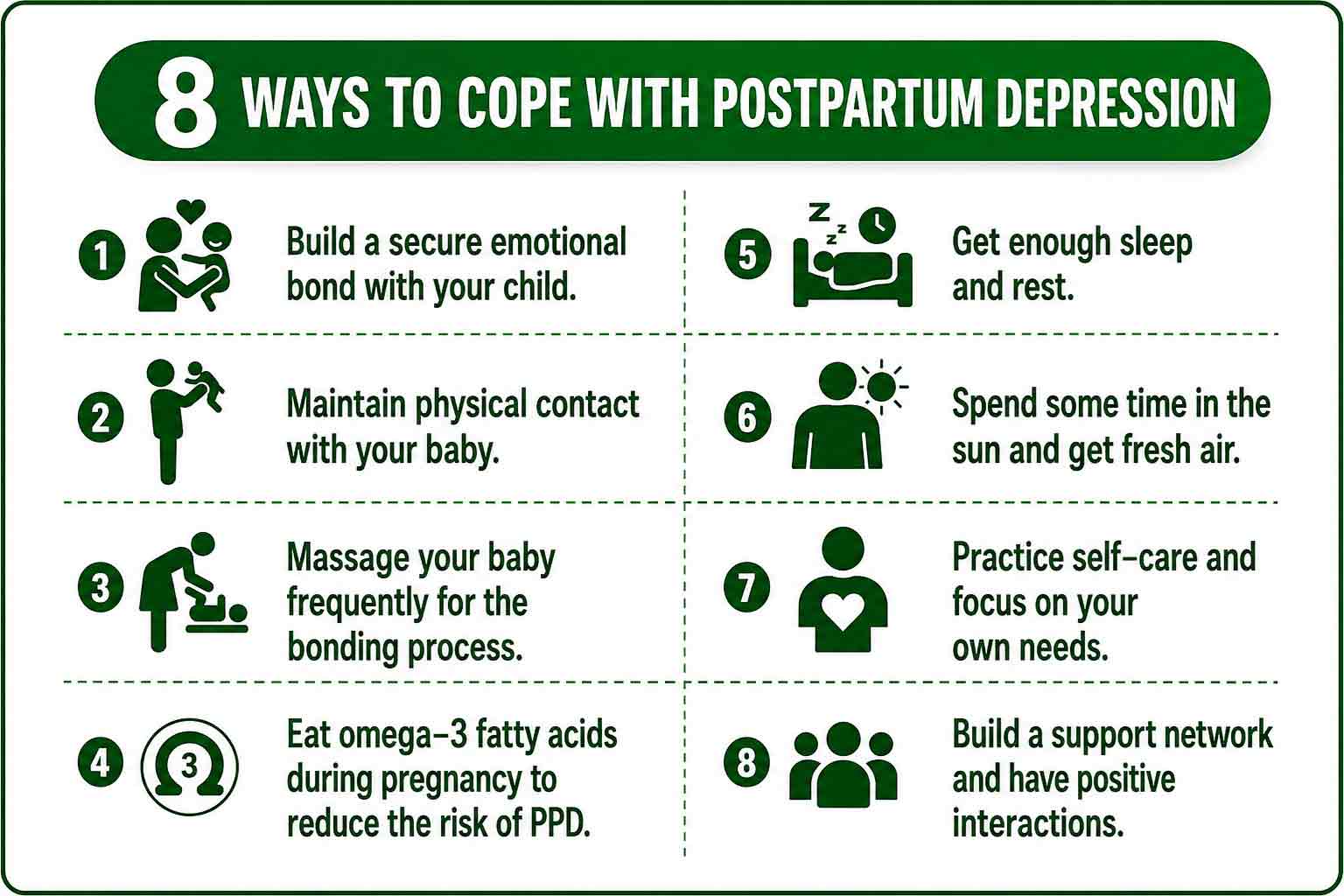
Although professional care is essential for many women, simple daily practices can also promote emotional recovery:
Build a strong bond with your baby. Skin-to-skin contact, breastfeeding where possible, talking, singing, and gentle touch strengthen emotional attachment and promote well-being.
Prioritize rest. Sleep deprivation can worsen emotional symptoms. Accept support from family members whenever possible.
Spend time outdoors. Fresh air, sunlight, and light physical activity such as walking can improve mood and reduce stress.
Practice self-care. Eating well, bathing, relaxing, and taking short breaks are not luxuries they are important parts of recovery.
Maintain a balanced diet. Nutritious meals rich in fruits, vegetables, whole grains, and omega-3 fatty acids may support overall mental health.
Stay connected. Share your feelings with your partner, family, trusted friends, or healthcare providers. You do not have to face this journey alone.
Attend postnatal clinics. Use routine postnatal visits to discuss your emotional well-being with healthcare professionals.
Families and Communities Have an Important Role
Maternal mental health is everyone’s responsibility. Partners, relatives, community health workers, and faith leaders can make a meaningful difference by:
- Listening without judgment.
- Offering practical help with childcare and household responsibilities.
- Encouraging mothers to seek professional care.
- Promoting open conversations that reduce stigma.
A supportive environment can significantly improve recovery and strengthen family well-being.
What Tanzania Needs
Improving maternal mental health requires collective action. Key priorities include:
- Increasing public awareness of Postpartum Depression.
- Integrating mental health screening into routine antenatal and postnatal care.
- Strengthening community-based mental health support systems.
- Expanding access to affordable mental health services.
- Challenging stigma through education and open dialogue.
Every Mother Deserves Support
Postpartum Depression is not a sign of weakness, failure, or lack of faith. It is a common and treatable medical condition. With early identification, compassionate support, and appropriate care, most women recover and go on to enjoy healthy relationships with their children and families.
A healthy mother is the foundation of a healthy family, and healthy families contribute to a stronger Tanzania.
If you or someone you know is experiencing symptoms of Postpartum Depression, seek support from a healthcare provider or mental health professional. Speaking up is the first step toward recovery.
You are not alone. Help is available. Recovery is possible.
Written by Benjamin C. Myovela, MSc Clinical Psychology
Clinical Psychologist | Public Health Specialist | Mental Health Advocate